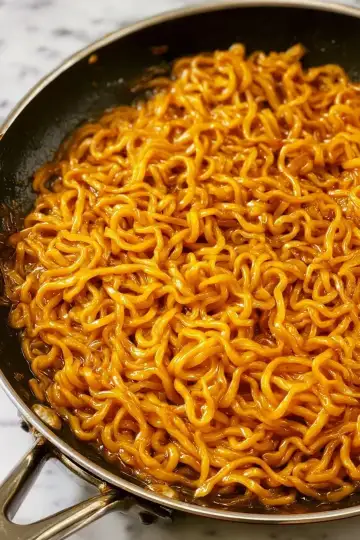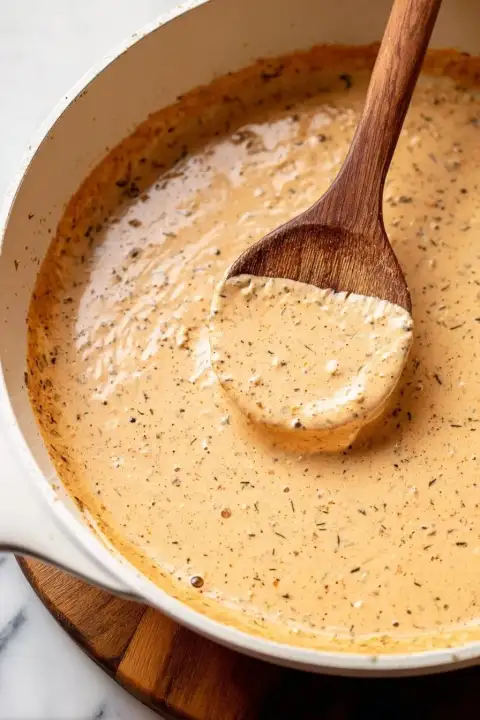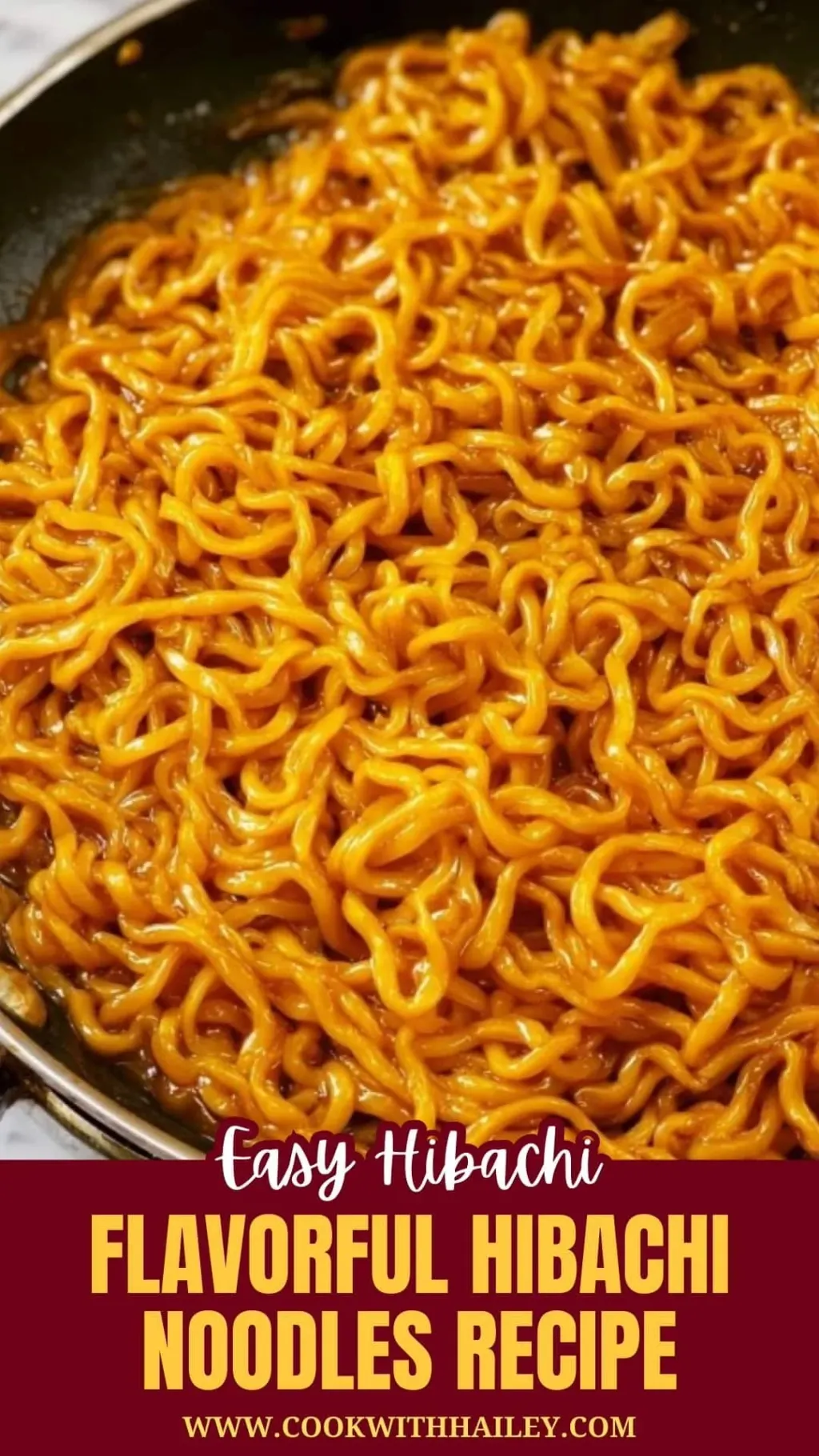

There’s something deeply satisfying about the sizzle and aroma of stir-fried noodles done just right. This Hibachi Noodles Recipe really hits the spot with its savory-sweet balance and buttery goodness. It’s the kind of dish that makes weeknight dinners feel special without a ton of hassle.
Why You’ll Love This Recipe
- Simple Ingredients: You probably have most of these staples in your pantry already, making it super approachable.
- Quick Cooking Time: From start to finish, it’s under 40 minutes — perfect for busy evenings.
- Customizable: Whether you want to add veggies, protein, or extra spice, this dish welcomes your tweaks.
- Restaurant Flavor at Home: You get that signature hibachi flavor without having to leave your kitchen.
Ingredients You’ll Need
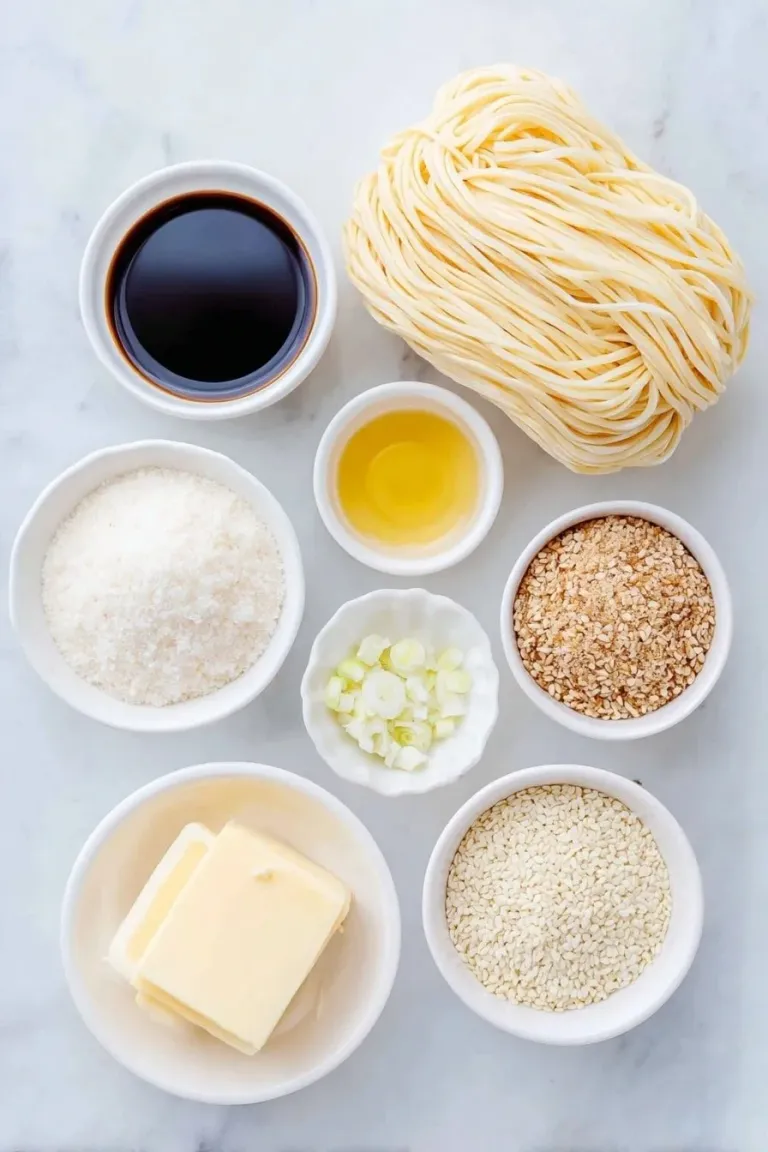
Picking the right noodles and balance of seasonings really elevates this Hibachi Noodles Recipe. I always recommend using yakisoba or lo mein noodles if you can find them — their texture holds up beautifully when stir-fried.
 Save
- Noodles: Yakisoba, lo mein, or spaghetti – yakisoba is ideal for that authentic chewy texture.
- Soy Sauce: I go for low-sodium to avoid overpowering saltiness; it blends better with the brown sugar.
- Sesame Oil: Adds a nutty depth, so don’t skip it even if you use other oils for cooking.
- Light Brown Sugar: It softens the soy’s saltiness and gives a hint of caramel flavor.
- Garlic: Fresh minced garlic brings a punchy aroma you’ll love.
- Ginger: Fresh ginger adds brightness and a little zing.
- Unsalted Butter: This is my secret for that rich, lightly toasted flavor on the noodles.
- Toasted Sesame Seeds: Garnish with these for texture and that final nutty note.
Variations
I enjoy playing around with this Hibachi Noodles Recipe depending on what’s in season or what my family’s craving. It’s super forgiving, so don’t hesitate to make it your own.
- Veggie Boost: Adding sliced bell peppers, onions, or shredded cabbage made this a colorful one-pan dinner my kids begged for.
- Protein Upgrade: Toss in grilled chicken, shrimp, or tofu for a heartier meal—I often sauté the protein first in the same pan for max flavor.
- Spice It Up: A dash of chili flakes or sriracha gives a nice kick if you like things spicy.
- Gluten-Free Option: Use rice noodles and tamari instead of soy sauce to keep it gluten-free without losing taste.
How to Make Hibachi Noodles Recipe
 Save
Step 1: Cook Your Noodles Perfectly
Start by boiling your noodles just until they’re al dente — you want them slightly firm because they’ll finish cooking in the pan. Overcooked noodles can become mushy when tossed with the sauce, so keeping a close eye here really makes a difference. Once cooked, drain them well and set aside to avoid sogginess.
Step 2: Whisk Together the Sauce
While the noodles drain, mix soy sauce, sesame oil, brown sugar, minced garlic, and ginger in a bowl. This sauce packs all the classic hibachi flavor—sweet, salty, nutty, and a touch pungent from garlic and ginger. I like whisking it until the sugar dissolves for a smooth coating.
Step 3: Toast Noodles in Butter
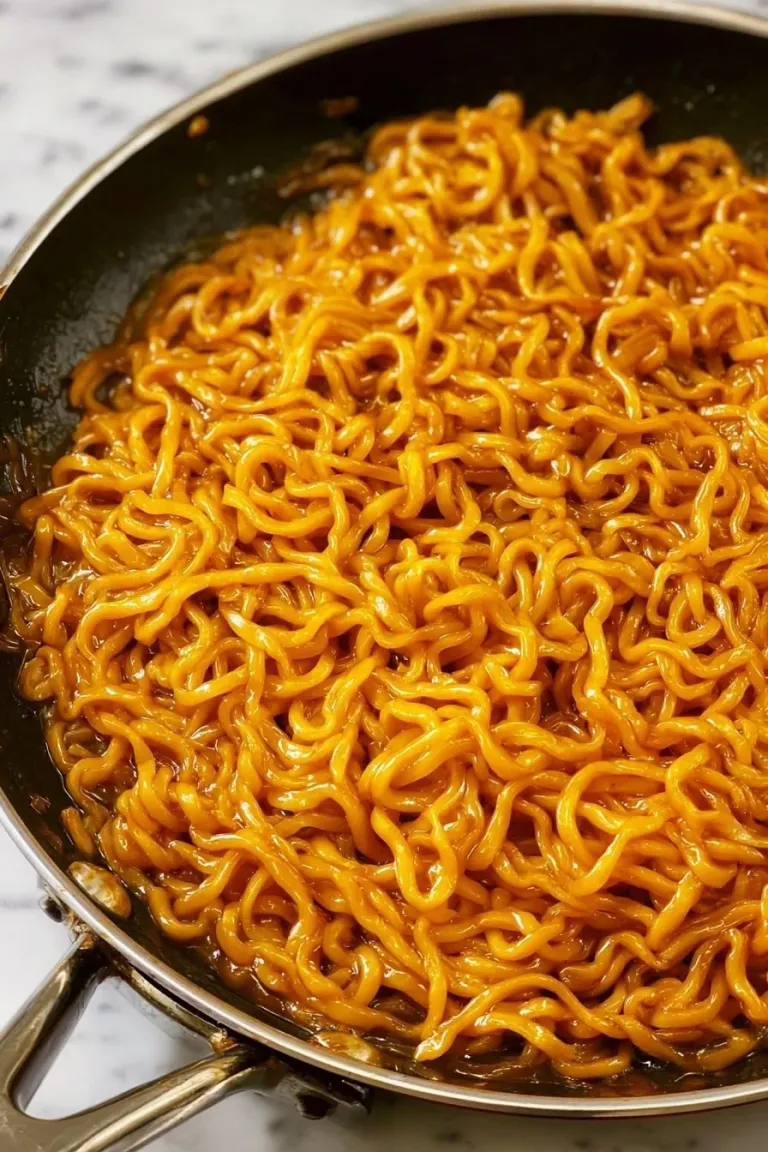
Heat a large nonstick skillet over medium-high heat and melt the butter. Toss in the noodles and spread them out so they get some color on the edges — those slightly toasted, golden spots are magic and add a lovely texture. Keep stirring enough to avoid burning but let them rest briefly to brown evenly.
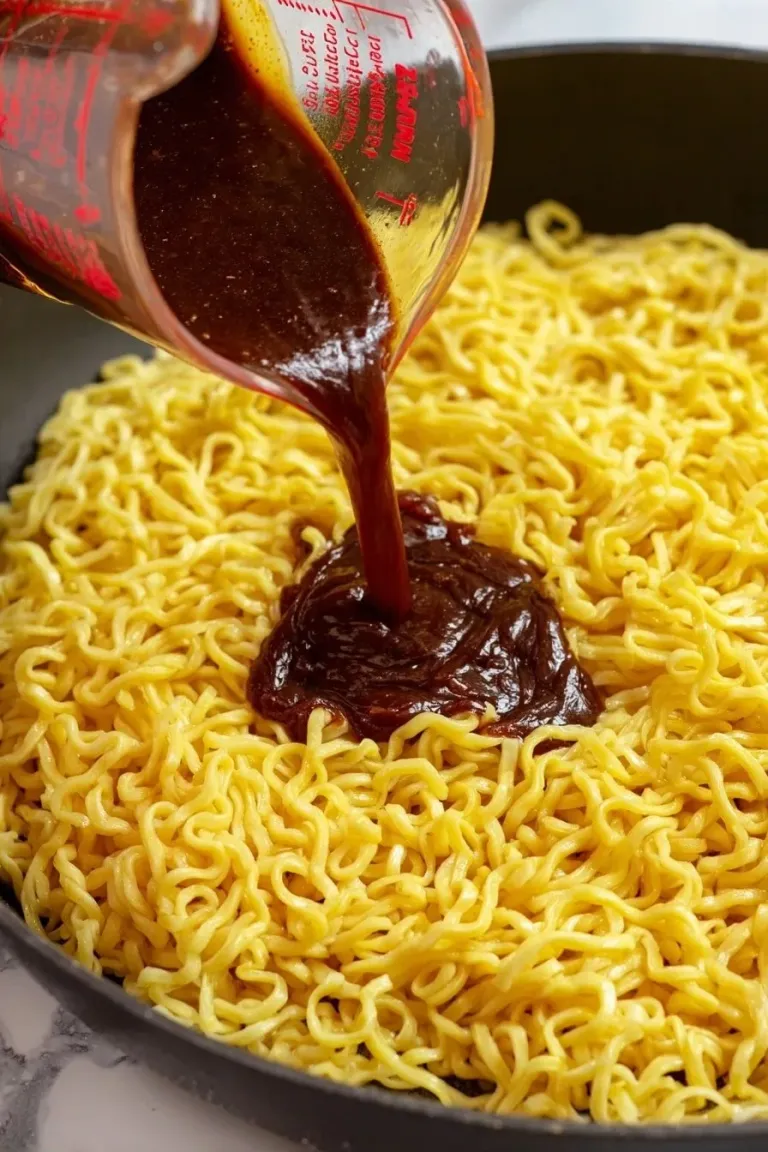
Step 4: Combine Noodles and Sauce
Pour your sauce over the buttery noodles and toss everything together thoroughly. Cook for another 2 to 3 minutes to let the noodles soak in that savory, sweet richness. You’ll notice the sauce clings beautifully and the noodles glisten with flavor.
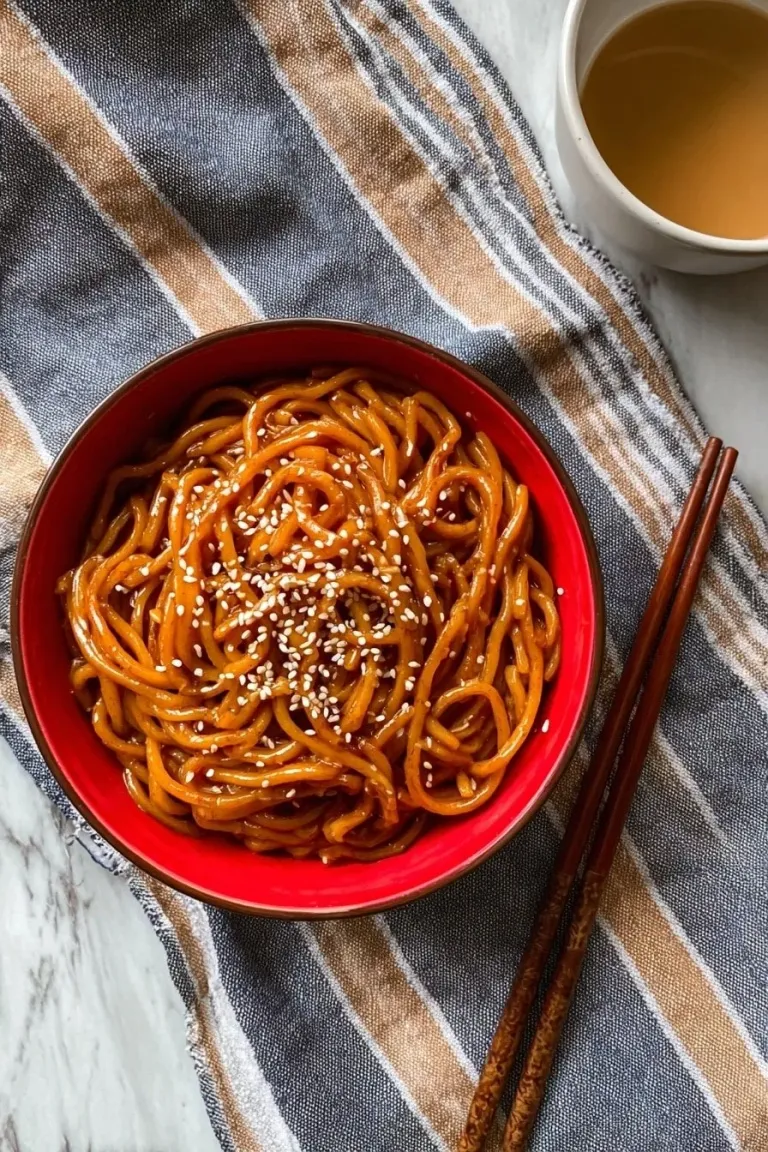
Step 5: Garnish and Serve
Finish with a sprinkle of toasted sesame seeds for a nutty crunch. I like serving this right away while it’s warm and fresh, although it holds up well if you need a minute to plate.
Pro Tips for Making Hibachi Noodles Recipe
- Don’t Overcook Noodles: I learned the hard way—slightly firm noodles always yield the best texture after stir-frying.
- Use a Large Skillet: This gives the noodles enough space to get that perfect sear without steaming.
- Fresh Ginger Is Key: Pre-minced jars just don’t have the same pop—fresh makes the flavor bright and fresh.
- Toast Sesame Seeds Separately: I toast mine in a dry pan before serving for an extra aromatic finish.
How to Serve Hibachi Noodles Recipe
 Save
Garnishes
I love adding a handful of sliced green onions or some thinly sliced red chili on top for color and a little fresh bite. The toasted sesame seeds are a must; they bring that satisfying crunch that makes every mouthful delightful.
Side Dishes
My go-to sides are simple steamed veggies like broccoli or snap peas dressed lightly in soy sauce. Also, fried rice or a light miso soup pairs beautifully to round out the meal.
Creative Ways to Present
For special gatherings, I arranged the hibachi noodles in a shallow serving bowl, topped with grilled shrimp skewers and a scattering of microgreens. It looks beautiful and turns a humble noodle dish into a centerpiece.
Make Ahead and Storage
Storing Leftovers
I store leftover hibachi noodles in an airtight container in the fridge, and they stay tasty for up to 3 days. To keep them from clumping, adding a tiny drizzle of sesame oil before sealing helps maintain that fresh stir-fry feel.
Freezing
Freezing isn’t my top recommendation because the noodles can get a bit soft when thawed, but if you do, flash freeze in a thin layer first and then transfer to freezer bags. Reheat quickly to avoid mushiness.
Reheating
For the best texture, reheat hibachi noodles in a hot skillet with a splash of soy sauce or water. This revives the seared edges and keeps the noodles from drying out, unlike microwaving, which can make them gummy.
Final Thoughts
I absolutely love how this Hibachi Noodles Recipe transforms simple pantry ingredients into a meal that feels like a special occasion. It’s one of those dishes that’s equally great as a quick solo lunch or a crowd-pleasing dinner. Next time you want that classic hibachi flavor without the restaurant trip, you’ll enjoy pulling together this recipe with your favorite mix-ins. Trust me, once you try it, hibachi noodles become a staple in your weekly rotation.