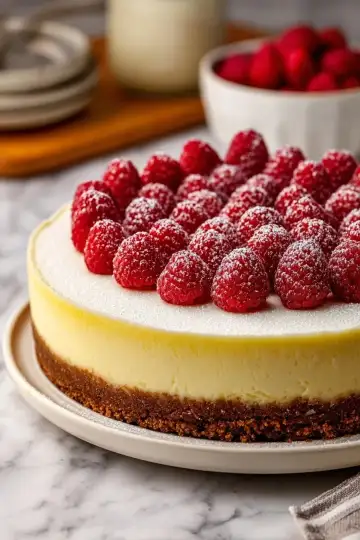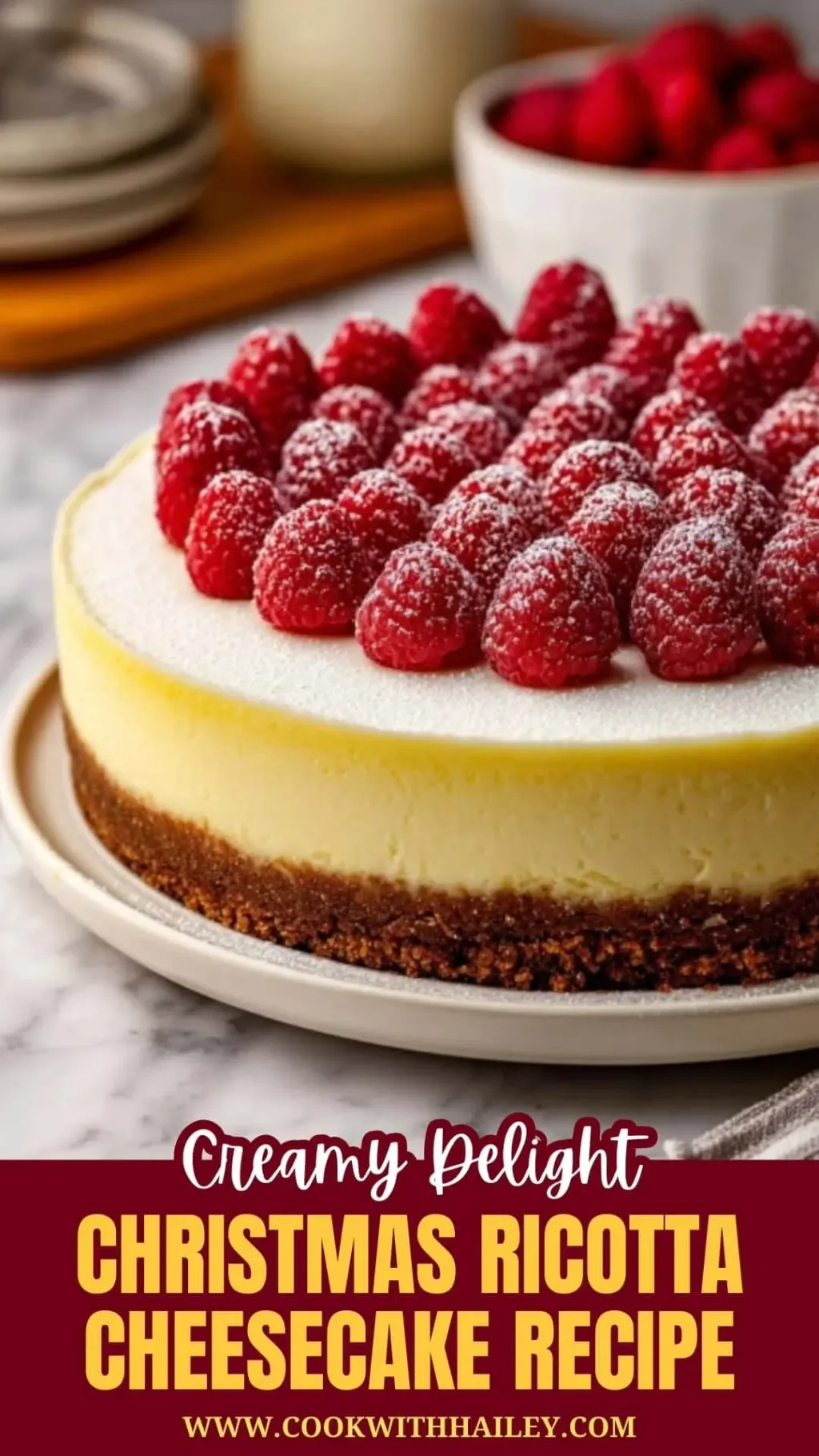

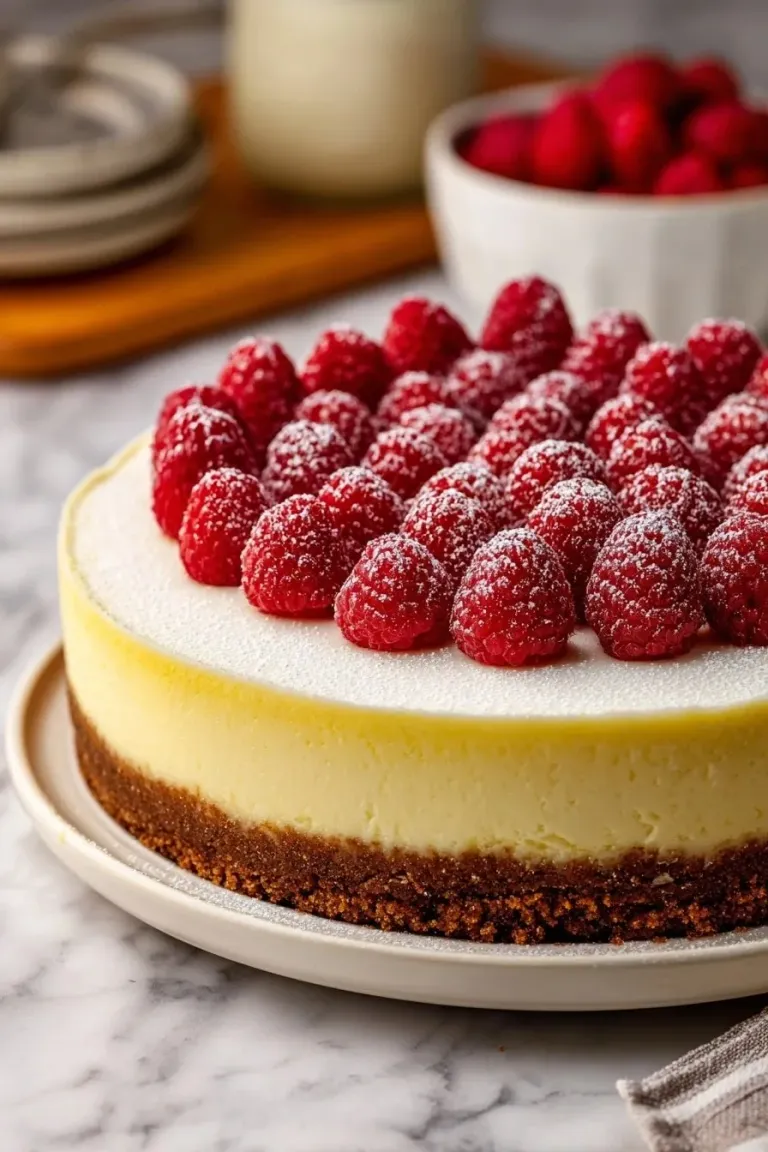
There’s something irresistibly creamy and fresh about this Ricotta Cheesecake Recipe that makes it stand out from your usual dense cheesecake. The ricotta cheese brings a light, fluffy texture and a subtle tang that will have you coming back for more — trust me, it’s a dessert game changer!
Why You’ll Love This Recipe
- Light & Fluffy Texture: Thanks to ricotta’s unique consistency, this cheesecake feels much lighter yet still luxuriously creamy.
- Subtle Citrusy Brightness: The orange zest adds a fresh zing that effortlessly lifts the flavor without overpowering it.
- Minimal Cracking Risk: Using a water bath and careful mixing keeps your cheesecake perfectly smooth and crack-free.
- Versatile Toppings: The simple ricotta topping can be dressed up with fruit, chocolate, or nuts to fit any occasion.
Ingredients You’ll Need
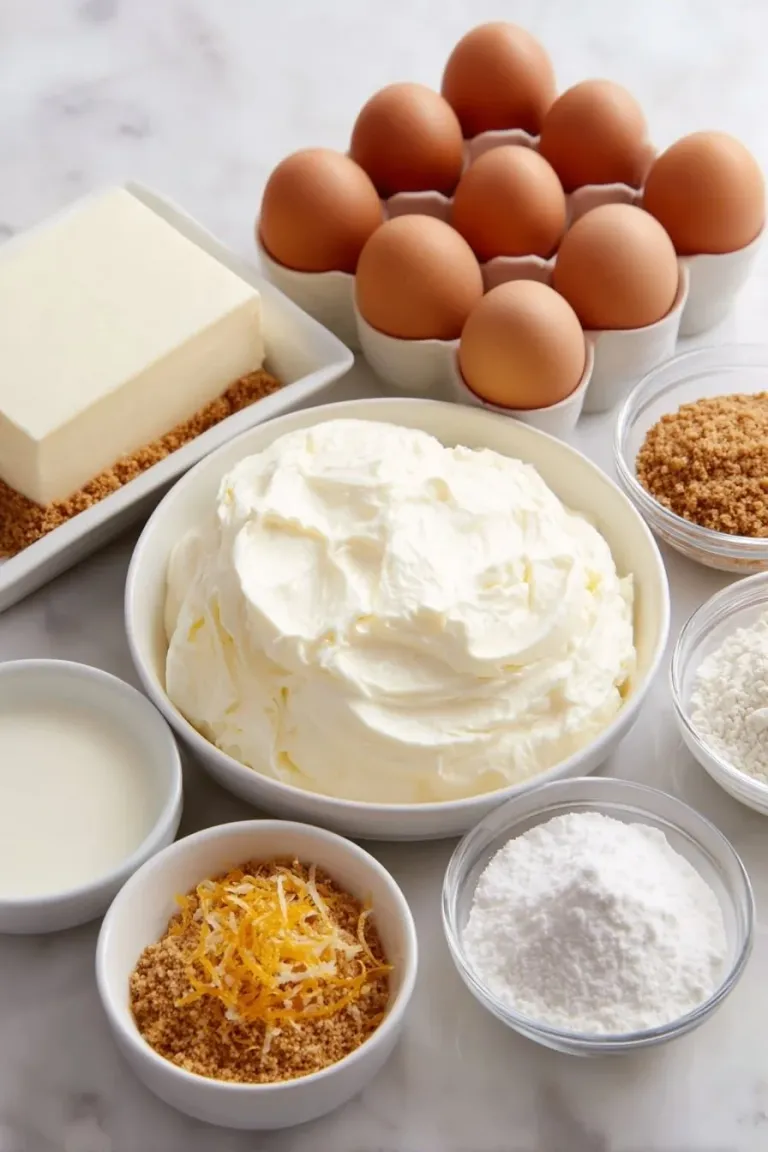
These ingredients come together harmoniously to create that signature ricotta cheesecake—fresh, creamy, with just the right balance of sweetness and zest. For the best texture, I always recommend draining the ricotta well to avoid excess moisture messing up the bake.
 Save
- Ricotta Cheese: Make sure to pick a creamy, well-drained ricotta (or homemade) to avoid a watery cheesecake.
- Cream Cheese: Softened to room temperature — this adds that traditional cheesecake richness.
- Granulated Sugar: Provides sweetness without overpowering the ricotta’s delicate flavor.
- All-Purpose Flour: Helps stabilize the batter so it sets beautifully without being dense.
- Eggs: Use large, room temperature eggs for smooth incorporation and lift.
- Vanilla Extract or Vanilla Bean Paste: Adds subtle aromatic depth to the filling.
- Salt: Just a pinch brightens and balances the sweetness.
- Orange Zest: Freshly grated for that lovely citrus note I find totally irresistible.
- Powdered Sugar: For the whipped ricotta topping — blends effortlessly and sweetens delicately.
- Graham Cracker Crust: A buttery, crunchy base that complements the creamy filling perfectly.
Variations
I love how forgiving this Ricotta Cheesecake Recipe is when it comes to customization. You can switch up the citrus, add nuts, or adapt for dietary needs — making it your own makes it even more special.
- Berry Swirl: I gently folded fresh pureed berries into the batter once but swirled them lightly for a pretty marbled effect — stunning and tasty!
- Gluten-Free Crust: I swapped graham crackers for almond flour mixed with a little coconut oil and sugar for a nutty, naturally gluten-free base.
- Lemon Zest Instead of Orange: A sharp, tangy twist I tried one summer that brightened the flavor even more.
- Honey as Sweetener: Using honey instead of granulated sugar gives a lovely floral sweetness, especially with a drizzle on top.
How to Make Ricotta Cheesecake Recipe
 Save
Step 1: Drain Your Ricotta Like a Pro
Draining ricotta is a game changer—I used to skip this step and ended up with soggy cheesecakes. Put your ricotta in a cheesecloth-lined sieve, fold it over tightly, then place a weight on top. Even leaving it overnight in the fridge (covered!) makes a noticeable difference in texture. You’ll want about 2 cups of drained ricotta for the batter and some extra for the topping.
Step 2: Prepare the Graham Cracker Crust
While your ricotta drains, prepare the graham cracker crust. I like to use a classic blend of crushed graham crackers, melted butter, and a touch of sugar pressed firmly into the pan. Bake it briefly and let it cool completely before adding the batter—that way it’ll stay crisp under the creamy filling.
Step 3: Whip Up the Cheesecake Batter
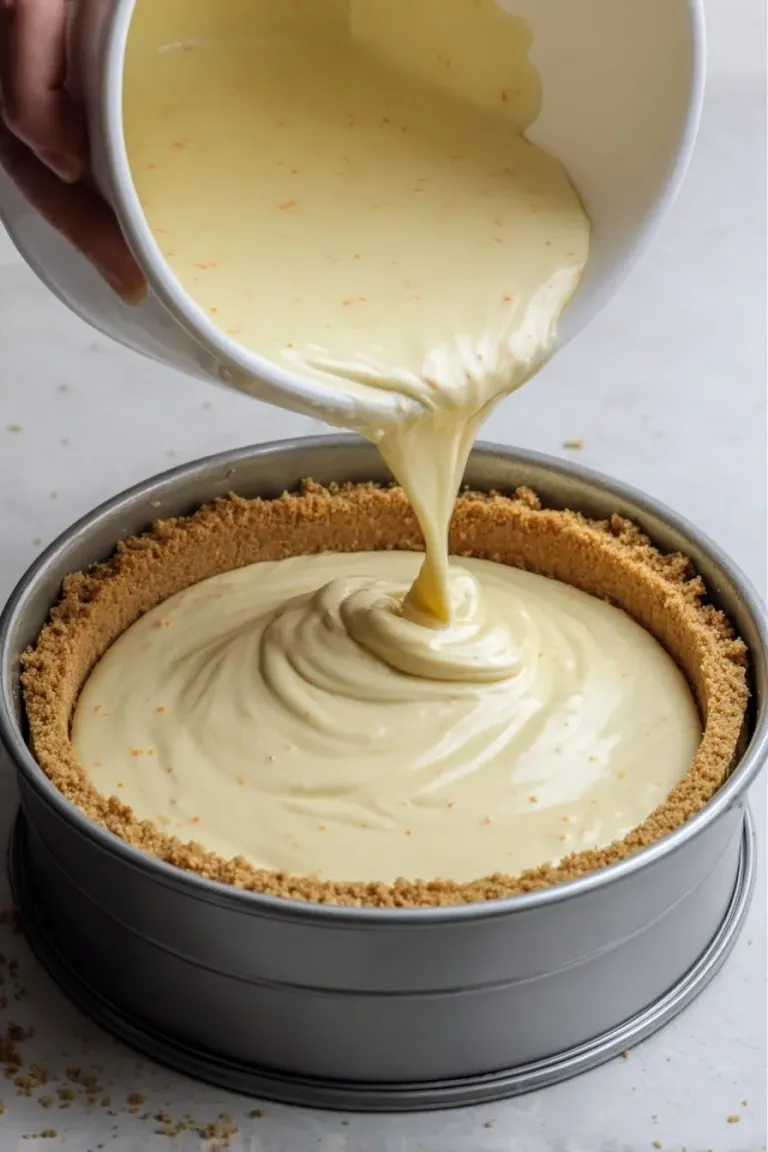
Start by beating the softened cream cheese until creamy—about 2 minutes. Adding sugar slowly helps it dissolve fully. Then, mix in the drained ricotta. When everything is smooth, incorporate the flour gently. Add eggs one at a time, mixing just until blended to avoid overworking the batter (which can cause cracks). Finish with your vanilla, salt, and orange zest for that fresh pop of flavor.
Step 4: Bake Using a Water Bath
This step is where many cheesecakes go awry, but your ricotta cheesecake will thank you for the patience! Wrap the pan’s base in foil (to prevent leaks), place it in a larger roasting pan, and pour hot water halfway up the sides for a gentle, even bake. Bake at 325ºF for around 60–75 minutes. The center should still jiggle slightly when done—the edges will set firmly.
Step 5: Cool and Chill Properly
Once baking is done, turn the oven off and leave the cheesecake inside for an hour. This slow cooling helps prevent cracks. After that, let it cool fully at room temperature, then chill it in the fridge for at least 6 hours or overnight—this resting time develops the flavors and gives a silky finish.
Step 6: Make and Spread the Ricotta Topping
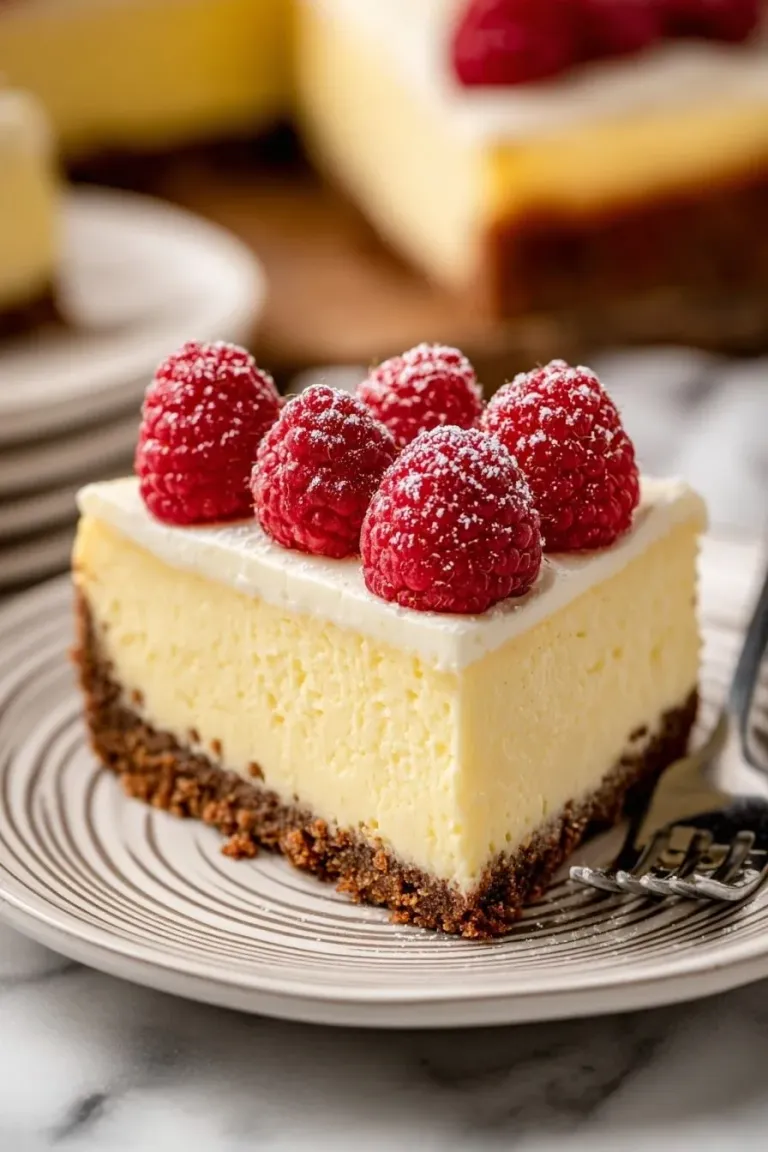
Mix the remaining drained ricotta with powdered sugar and vanilla until smooth and creamy—just a quick whip. Spread this gently over your chilled cheesecake. This topping keeps it light and adds an elegant touch that contrasts beautifully with fresh garnishes.
Step 7: Decorate and Serve
Finally, top your cheesecake with fresh berries, chocolate chips, or even a drizzle of honey. Slice carefully with a sharp knife that’s been warmed in hot water for clean edges. Serve chilled and watch your friends and family go crazy for this delightful treat.
Pro Tips for Making Ricotta Cheesecake Recipe
- Drain Well: I learned this the hard way—always drain your ricotta thoroughly to avoid watery batter and soggy results.
- Avoid Overmixing Eggs: Adding eggs one at a time and mixing gently prevents air bubbles and cracks during baking.
- Use a Water Bath: This creates a gentle environment, ensuring a smooth, crack-free cheesecake every time.
- Cool Slowly: Leaving the cheesecake in the warm (but off) oven lets it firm slowly, reducing sudden temperature shocks that cause cracking.
How to Serve Ricotta Cheesecake Recipe
 Save
Garnishes
I usually go with fresh raspberries or sliced strawberries because their brightness and natural sweetness pair perfectly with the creamy ricotta topping. Sometimes a sprinkle of shaved dark chocolate or toasted almonds adds a lovely crunch and depth. Don’t be afraid to get creative with seasonal fruits — figs and pomegranate seeds look gorgeous too!
Side Dishes
This cheesecake pairs wonderfully with a light espresso or herbal tea when serving as dessert. For brunch, consider fresh fruit salad or a citrusy sorbet on the side to keep things balanced and refreshing.
Creative Ways to Present
For special occasions, I like to serve individual mini cheesecakes in glass jars layered with fruit compote — it looks so elegant and makes portioning a breeze. Another fun twist is to create a cheesecake trifle with alternating layers of ricotta cheesecake chunks, berries, and whipped cream.
Make Ahead and Storage
Storing Leftovers
I always keep my ricotta cheesecake covered tightly in the fridge—it stays fresh and creamy for up to 4-5 days this way. Just make sure to cover it well so it doesn’t pick up other fridge flavors.
Freezing
Freezing works great if you want to prep ahead. I freeze the cheesecake after fully chilling, wrapped tightly in plastic wrap and then placed in an airtight container. After thawing overnight in the fridge, it tastes nearly as fresh as the first day.
Reheating
I usually serve this cheesecake cold or at room temperature. If you want to take the chill off, I let slices sit out for about 15–20 minutes before serving. Reheating in the oven isn’t necessary and can dry it out, so I steer clear of that.
Final Thoughts
This Ricotta Cheesecake Recipe has become one of my absolute favorites to make and share—it’s lighter than traditional cheesecake yet just as indulgent. The ease of the recipe and forgiving nature in baking make it perfect for those of us who want to impress without stress. I can’t recommend giving it a try enough; I think you’ll love the creamy texture and citrusy brightness as much as my family does!